Understanding Moon Phases
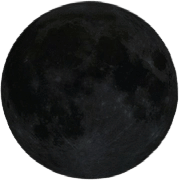
New Moon
The moon is positioned between Earth and the Sun. The illuminated side faces away from Earth, making it invisible in the night sky.
View in Calendar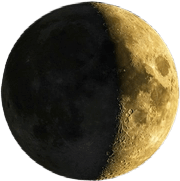
Waxing Crescent
A thin sliver of the moon becomes visible as it moves away from the Sun's glare. The illuminated portion grows each night.
View in Calendar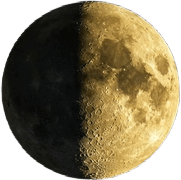
First Quarter
Half of the moon's visible surface is illuminated. This occurs about a week after the new moon.
View in Calendar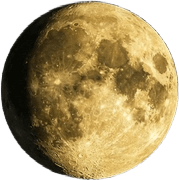
Waxing Gibbous
More than half of the moon is illuminated and continues to grow. The word "gibbous" means humped or bulging.
View in Calendar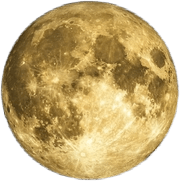
Full Moon
The entire face of the moon is illuminated by the Sun. Earth is positioned between the Sun and moon.
View in Calendar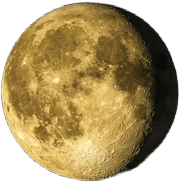
Waning Gibbous
The illuminated portion begins to shrink after the full moon. More than half remains visible.
View in Calendar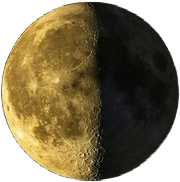
Last Quarter
Half of the moon is illuminated, but the opposite half from the first quarter. Occurs about three weeks after the new moon.
View in Calendar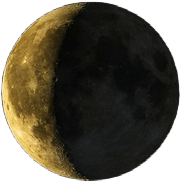
Waning Crescent
Only a thin sliver remains visible as the moon approaches the new moon phase again, completing the 29.5-day cycle.
View in CalendarLunar Cycle Facts
- A complete lunar cycle takes approximately 29.53 days
- The moon orbits Earth at an average distance of 238,855 miles (384,400 km)
- The same side of the moon always faces Earth due to tidal locking
- A "blue moon" refers to the second full moon in a calendar month
- The moon's gravitational pull causes ocean tides on Earth